
Discover the Boston Tea Party through a tea lover’s lens — 6 fascinating facts, 5 historic teas, places to visit, and teas you can buy today.
It all started in Boston …
If you love tea — really love it, the way tea lovers do — then the Boston Tea Party is so much more than a history lesson. It is a story about the politics of a beloved beverage, the economics of tea, and a cold December night when more than ninety thousand pounds of perfectly good tea went overboard into Boston Harbor. Pull up a chair, brew a cup, and let’s steep ourselves in one of the most delicious events in American history. Here are seven fascinating facts about the Boston Tea Party — just for tea lovers.
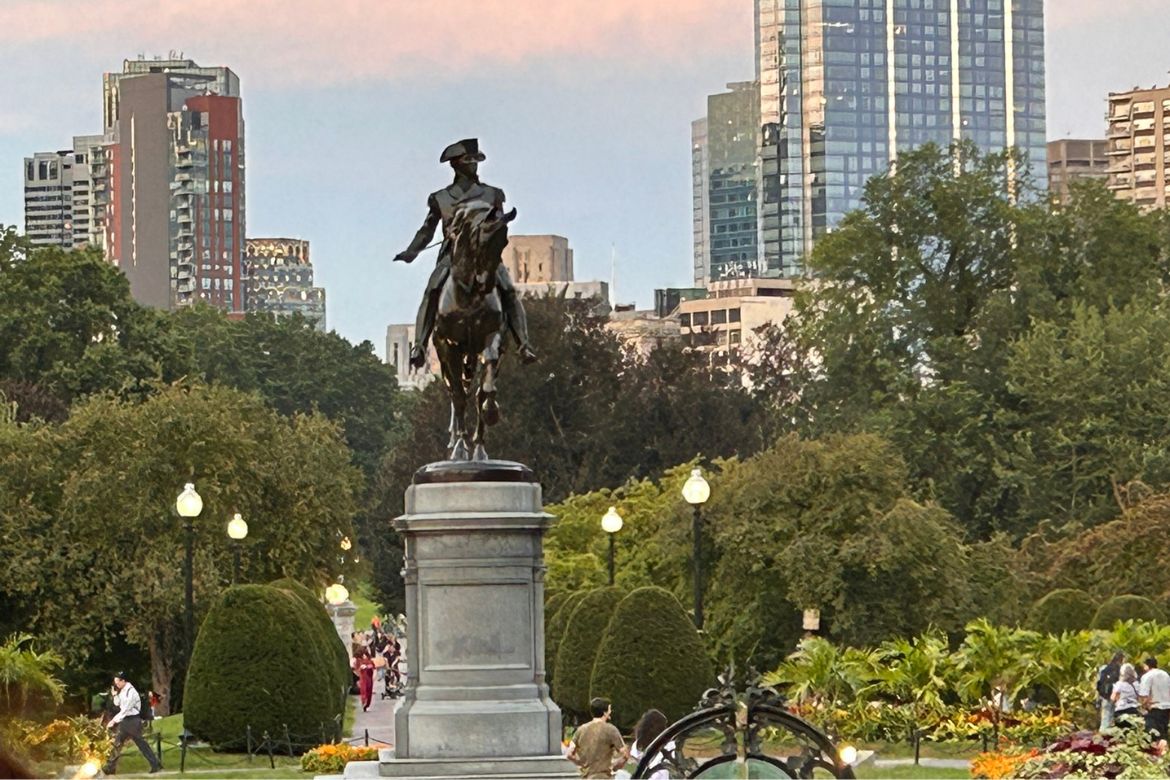
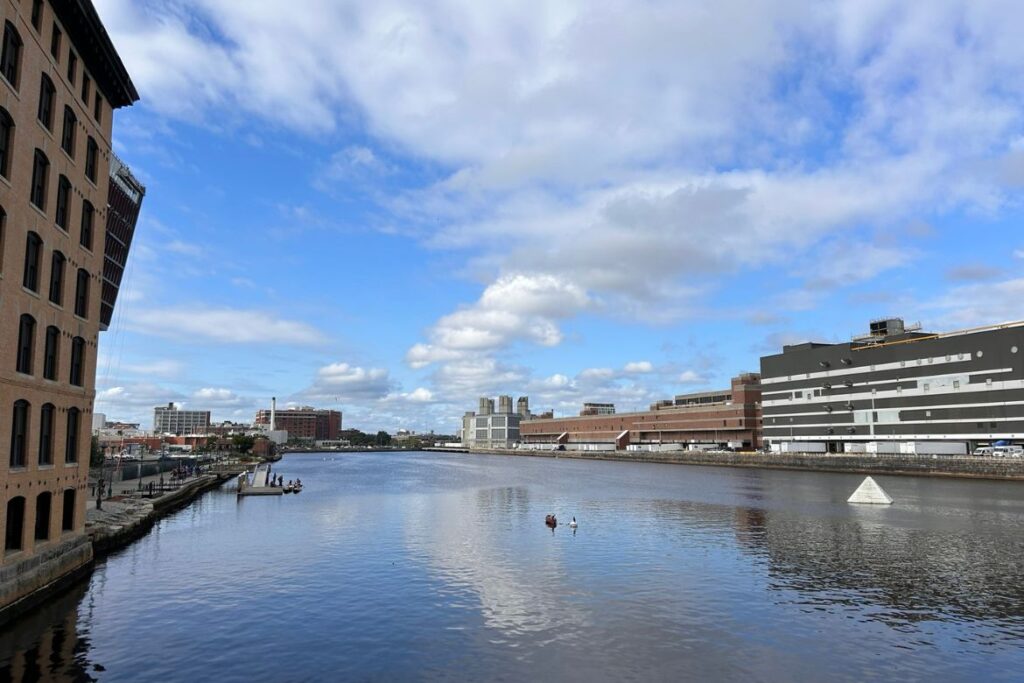
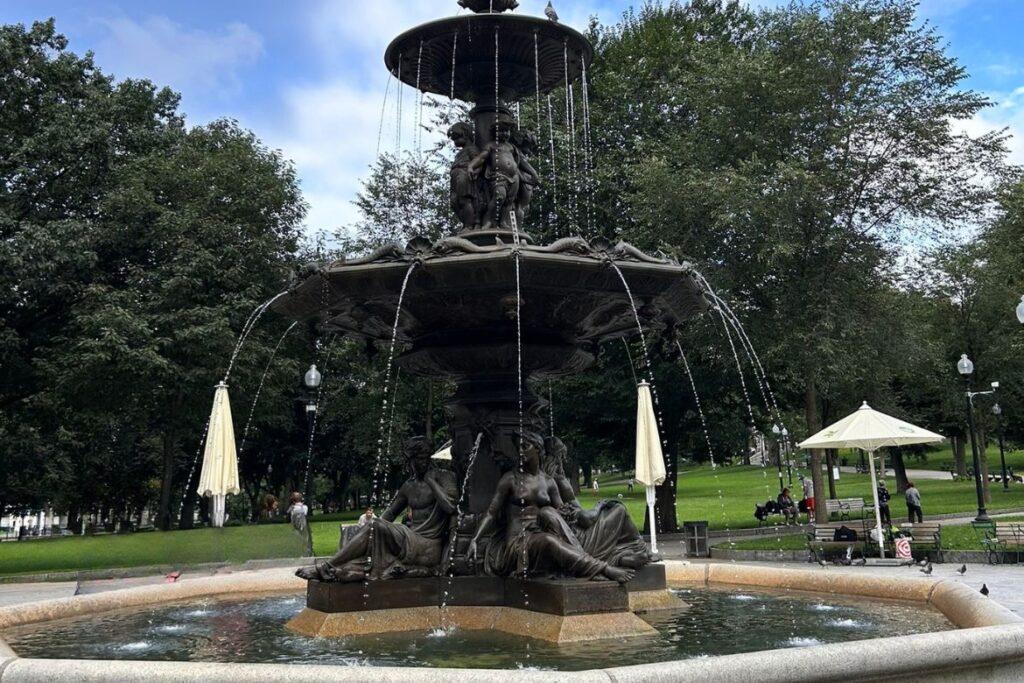
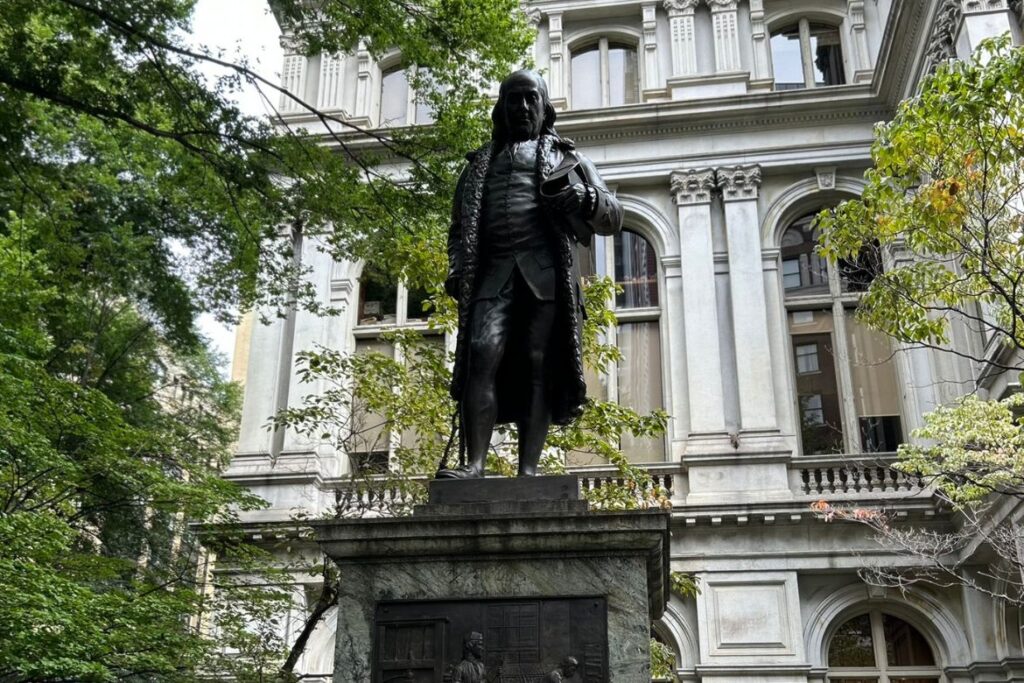
All photos by contributing photographer Elaine Chen.
7 Fascinating Facts About the Boston Tea Party
Let’s get started …
Fact 1: It happened on December 16, 1773.
On that chilly winter night, a group of colonists, many of them members of the Sons of Liberty, boarded three ships — the Dartmouth, the Eleanor, and the Beaver — moored at Griffin’s Wharf in Boston Harbor. Over the course of about three hours, they used axes and tomahawks to split open 342 chests of tea and dump every last leaf into the water. It was a brazen act of civil disobedience, one that some colonial leaders including George Washington and Benjamin Franklin found genuinely alarming. Washington was reportedly aghast at the destruction of property.
Are you related to one of the Boston Tea Party participants? If your ancestors lived in the Boston area in 1773, it’s possible. Check the list of Boston Tea Party participants to look for any familiar names. If you can verify your connection to one of these participants, you could be eligible for the Boston Tea Party Descendants Program. And if you’d like to learn more about your colonial and American revolution ancestors, consider working with a professional genealogist who specializes in this topic.
Fact 2: Five distinct types of Chinese tea went into that harbor.
Here is where it gets interesting for tea lovers. The colonists destroyed three kinds of black tea — Bohea, Congou, and Souchong — and two kinds of green tea — Hyson and Singlo. All five were Chinese teas imported by the British East India Company, and each had its own character, price point, and reputation in colonial America.
Fact 3: Bohea was the everyday tea of colonial America.
Colonial Bohea (pronounced “Boo-hee”) was by far the largest tea import during colonial times. It was so popular that the word bohea became the slang term for tea itself. The blend varied wildly, consisting of broken orange pekoe, pekoe, and souchong leaves, typically the scrap tea of lower quality, but was considered high quality by the colonists. During the Boston Tea Party, 242 chests of Bohea were destroyed — by far the largest share of what went overboard that night. Think of it as the colonial equivalent of a good everyday breakfast blend. Affordable, familiar, and everywhere.
Fact 4: Hyson was the premium green tea — and it was taxed accordingly.
Hyson and Young Hyson tea were highly prized by the colonial Americans, and the tax on Hyson was higher than for other teas. During the Boston Tea Party there were 70 chests of Hyson destroyed. Made from young, thinly rolled leaves with a long twisted appearance that unfurls beautifully when brewed, Hyson would have been a finer cup entirely — the kind you might serve to important guests rather than reach for on an ordinary morning. Hyson green tea was reportedly George Washington’s favorite.
Fact 5: The morning after, tea was still washing ashore — and people collected it as souvenirs.
As the sun rose on December 17th, loose leaf tea was still washing ashore along the beaches. People walked the shoreline collecting the salty, sodden leaves to keep as mementos. They knew they had witnessed something momentous. The tea itself — more than 90,000 pounds worth nearly a million dollars in today’s money — was long past saving, but the symbol of it was only just beginning to travel.
Fact 6: After the Boston Tea Party, the colonists began drinking “Liberty Teas.”
When British tea became the enemy, colonists got creative! When British tea became the enemy, colonists got creative! Rather than surrender their beloved daily cup, patriotic Americans brewed Liberty teas from native plants like raspberry leaf, sage, spearmint, and the aptly named New Jersey tea shrub — a native plant whose dried leaves actually produced a surprisingly convincing cup. Sipping Liberty tea wasn’t just a beverage choice, it was a bold declaration of resistance. Who knew revolution could taste so refreshing?
Book Recommendation: If you love historical fiction as much as I do, you’ll enjoy The Tea Merchant by Leena Bhatnager. This novel is the story of Constance Pruitt, a widowed tea merchant and her involvement in the activities leading up to the Boston Tea Party.
The Boston Tea Party: Travelers’ Guide
If this post has you eager to book a trip to Boston, you are in very good company. Here are three places not to miss for anyone interested in the Boston Tea Party and its historical significance.
The Boston Tea Party Ships & Museum is the obvious first stop, and it earns every bit of its reputation. Situated right on the Fort Point Channel where the original protest took place, the museum features restored replica tall ships, costumed interpreters who bring the night of December 16 to life. And, crucially for tea lovers, the museum offers a tea room where you can actually taste all five of the historic teas that were thrown overboard. The gift shop carries period-authentic loose-leaf teas from Oliver Pluff and Company, sourced as close as possible to the original Chinese provinces the merchant ships traded with.
Fun Fact: Our contributing photographer Elaine Chen recently visited the Boston Tea Party Ships & Museum and brought back some delicious teas for the rest of the team to try.
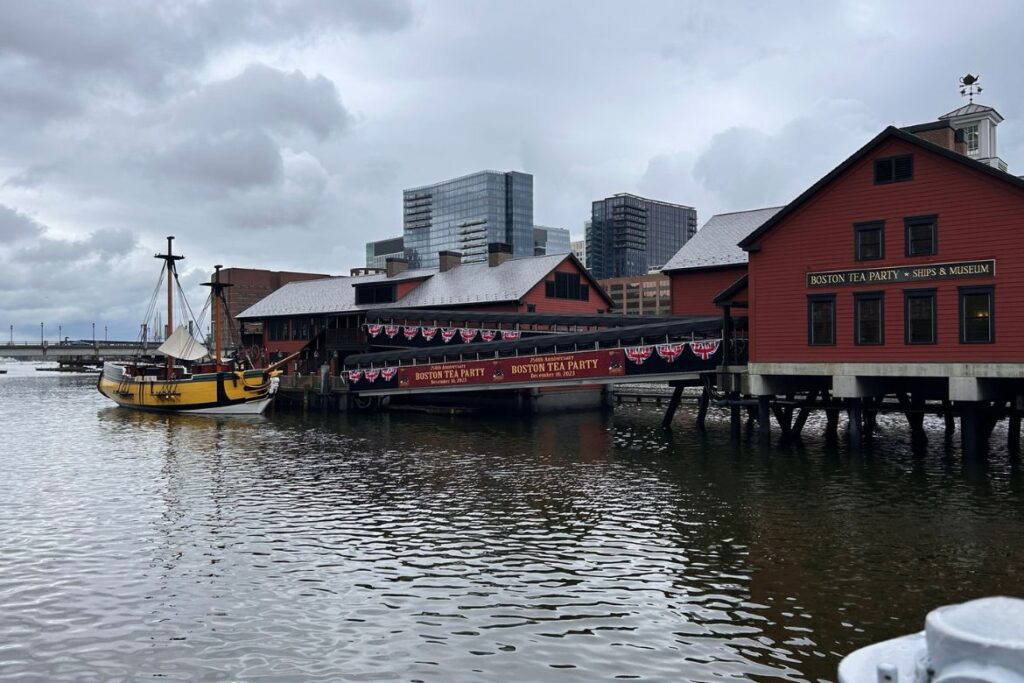
The Old South Meeting House, just a short walk away, is where thousands of colonists gathered on the afternoon of December 16, 1773, before the fateful decision was made to move on the ships. It remains one of the best-preserved colonial-era buildings in America and offers a powerful sense of what the political atmosphere felt like that night.
Paul Revere House and Faneuil Hall are also worth your time as part of the broader Freedom Trail, which connects sixteen historically significant sites across downtown Boston into a walkable two-and-a-half mile route. The National Park Service offers free ranger-led tours along the trail, making it an easy way to put the Tea Party into the full context of the American Revolution.
Sip a Piece of History — Teas You Can Buy Right Now
One of the most delightful things about the Boston Tea Party, from a tea lover’s perspective, is that you can actually taste the history.
Colonial Bohea
By far the most popular and affordable tea in the colonies, Bohea was a smoky, everyday blend of lower-grade black tea leaves (such as Orange Pekoe, Pekoe, and Souchong) harvested from China’s Wuyi Mountains.
- Where to buy: Bohea Colonial Loose Tea Canister (Shops at Colonial Williamsburg)
Congou Black Tea
Considered a higher-quality, premium black tea compared to Bohea, Congou required skilled hand-rolling of large leaves to produce a smooth, slightly sweet cup with subtle notes of baked apple.
- Where to buy: Congou Tea by the Pound (Oliver Pluff & Company)
Young Hyson Green Tea
This favorite green tea was harvested early in the spring from young, thin leaves. The leaves were rolled into long, twisted shapes, yielding a medium-bodied tea with a natural, earthy sweetness.
- Where to buy: Young Hyson Green Tea ( Mark T. Wendall Tea Company)
Lapsang Souchong
Renowned for its bold character, this historic black tea from the Fujian province gets its intense, distinctly campfire-like aroma and savory depth from being smoke-dried over pine fires.
- Where to buy: Lapsang Souchong Tea (Taylors of Harrogate)
Singlo
Originating from the Xiuning region of Anhui Province, Singlo was an early-harvest, delicate green tea with large leaves that offered a bright, clean, and mellow flavor profile highly prized by wealthier colonists.
- Where to buy: Singlo Organic Green Tea (Elmwood Inn Fine Teas)
Try Them All: Oliver Pluff and Company has done extraordinary work recreating the five period-authentic teas that were lost in the harbor that night in their Teas of the Boston Tea Party collection. The collection includes five glass tubes with 9 to 15 grams of all of the Boston Tea Party teas.
Questions About The Boston Tea Party
Not exactly. The Boston Tea Party was actually instigated by a tax decrease — the Tea Act made East India Company tea cheaper than ever before — but colonists objected to Parliament’s right to tax them at all without representation, and to the monopoly that was cutting colonial merchants out of the trade entirely.
Somewhere between 30 and 130 men, most of whom belonged to the Sons of Liberty, boarded the three tea ships. Many wore blankets and soot on their faces to disguise their identities, since the act was considered potential treason under British law.
Yes! and it is worth doing. You can still enjoy teas that are very similar to what the colonial teas would have tasted like. and several of the five historic varieties are available for purchase today from producers like Oliver Pluff and Company, which tries to source leaves from the same Chinese provinces the original merchant records identify.
